Battery Replacement: 4 Important Tips for Northern Arizona Drivers
 Who thinks about their battery? Usually no one — until it’s dead. And by then, you aren’t going anywhere.
To help prevent being stranded, Hoist Towing & Recovery advises Northern Arizona drivers to watch for signs of a failing battery. Extreme temperatures — hot summers and freezing winters — put extra stress on your vehicle’s electrical system, which can shorten its lifespan and increase the likelihood of unexpected breakdowns.
In fact, heat is one of the biggest factors affecting battery performance. According to Consumer Reports, prolonged high temperatures accelerate internal corrosion and cause fluid to evaporate more quickly, weakening the electrical system over time. Their guide on how hot weather affects your car battery explains why extreme heat can be more damaging than cold and offers practical tips for protecting your vehicle.
Most car batteries last about four years, but the actual lifespan can vary depending on the vehicle, climate, driving habits, and maintenance. If you notice any of the following signs, it may be time for a replacement. Here are four important tips to help keep your vehicle powered and avoid being stranded.
1. Watch for Slow Engine Turnover
Does your engine crank slowly or seem sluggish when starting? Slow turnover is one of the most common indicators that your battery is losing its charge. Over time, the internal components wear down, making it harder for the vehicle to get enough power from the electrical system.
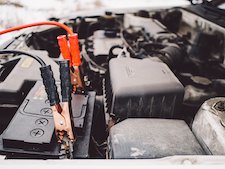
You may notice it takes several attempts to start the car, or hear rapid clicking when turning the key. Don’t wait until it completely fails — a weak battery can leave you stranded, especially on remote Northern Arizona roads. If your vehicle won’t start because the battery has lost its charge, jump start services may be able to get the vehicle running again.
Regular maintenance, including checking the terminals for corrosion, can extend the life of your battery and prevent unexpected issues.
2. Pay Attention to Warning Lights
If the dashboard warning light illuminates, don’t ignore it. This can signal that your vehicle is not receiving sufficient power from the battery or charging system.
The issue could be a weakening unit or a malfunctioning alternator. Either way, it’s important to have the system checked before failure occurs. You may also notice dim headlights or weak interior lights, which can indicate that the battery or charging system needs attention. Taking action early can help avoid being stranded in extreme heat or cold.
Because the charging system and battery work together, a warning light does not always mean the battery itself needs to be replaced. Having the electrical system checked can help identify where the problem is coming from.
3. Check Fluid Levels
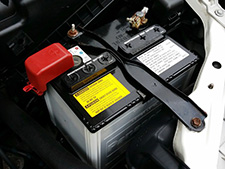 Some older, serviceable units have removable caps on top. These can be carefully pried off with a flathead screwdriver to inspect the fluid inside each cell. The electrolyte should fully cover the lead plates.
If the fluid is low, the unit may not function properly and internal damage can occur. While distilled water can sometimes be added, consistently low fluid levels usually mean the component is nearing the end of its life. Heat can accelerate fluid evaporation, which is why Northern Arizona summers are especially hard on car power systems.
Modern vehicles are more likely to use maintenance-free batteries, so not every driver will have a unit that can be checked this way. Always follow the vehicle manufacturer’s recommendations for inspection and maintenance.
4. Be Alert for Strange Odors
A strange smell under the hood can indicate a failing battery. Rotten-egg odors can mean sulfur compounds are being released from a damaged or overcharged unit.
A leaking or damaged battery can affect nearby components, making the problem more serious than a simple loss of power. While this isn’t the most common sign, any unusual odor coming from the battery area should be inspected promptly.
If you notice an unusual smell along with swelling, leaking, or other visible changes, avoid handling the unit yourself and have the vehicle inspected.
Don’t Get Stranded in Northern Arizona
A battery that shows warning signs does not always fail immediately, but recognizing those signs can give you an opportunity to address the problem before you are stranded. Paying attention to how your vehicle starts and maintaining the electrical system can help you avoid an unexpected breakdown.
Extreme heat and freezing temperatures can place additional strain on your vehicle’s electrical system. Keeping up with maintenance and addressing signs of a problem before it fails can be especially important when traveling through remote areas of Northern Arizona.
If your vehicle will not start because the battery has lost its charge, a jump start may be an option for getting the vehicle running again. If the unit is no longer able to hold a charge, however, a replacement may ultimately be necessary.

Related Posts
If you enjoyed reading this, then please explore our other articles below: