Essential Tire Safety Tips Every Driver Should Know
Your tires are the only part of your vehicle making direct contact with the road, making tire safety one of the most important aspects of routine vehicle maintenance. Proper tire care improves traction, braking, steering, and overall performance while reducing the risk of unexpected breakdowns. Whether you are commuting daily or traveling through Northern Arizona, a quick inspection can keep you and your passengers safe on the highway.
Check Tire Pressure Regularly
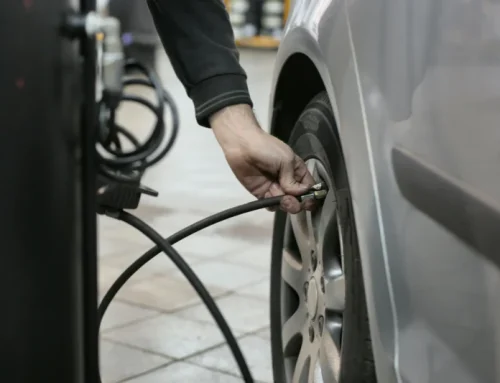
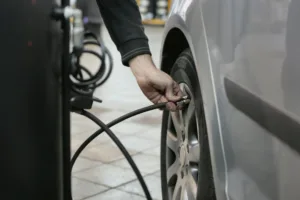 Maintaining correct air pressure is the easiest way to improve tire safety. Underinflated tires wear unevenly, reduce fuel efficiency, and generate excessive internal heat. Overinflated tires reduce road traction and cause the center of the tread to wear out prematurely.
Many newer vehicles feature advanced digital displays that track real-time PSI for each tire, triggering a dashboard warning light if any tire drops below its safe threshold. While helpful, these sensors can sometimes lag, so periodically verifying your air levels with a manual tire gauge remains a smart, safer habit.
Always use the pressure limits recommended by your vehicle manufacturer, which are located on the driver’s door jamb or in the owner’s manual. Never use the maximum pressure printed on the tire sidewall, as that limit is unsafe for daily driving. For official government guidelines, the National Highway Traffic Safety Administration tire portal provides excellent safety information.
Monitor Tire Tread Depth
Good tread depth is essential for maintaining traction during wet or slippery driving conditions. As your tread wears down, stopping distances increase dramatically and the danger of hydroplaning rises.
An easy way to monitor tread depth is by using a basic tread depth gauge or inspecting the wear bars built directly into the rubber channels. If the tread has worn flat to these indicators, immediate tire replacement is necessary.
Uneven tread wear is often an early warning sign of deeper mechanical issues, such as poor wheel alignment or worn suspension components. Spotting these patterns early can extend tire life and prevent costly suspension repairs down the road.
Prioritize Tire Safety with Regular Rotations
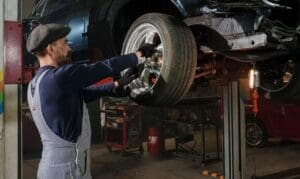 Regular tire rotation is a fundamental pillar of consistent tire safety. Front and rear tires experience different structural stress due to steering, braking, and front-end engine weight distribution. Rotating your tires according to your manufacturer’s maintenance schedule promotes balanced wear and extends your tread lifespan.
A routine rotation is also the perfect opportunity to thoroughly inspect your tires for deep cuts, punctures, hidden nails, embedded rocks, or sidewall bulges before they develop into a high-speed highway blowout.
Spare Tire Inspections and Tire Safety
Many motorists rarely check their spare tire until a roadside emergency strikes. Unfortunately, a spare tire left with low air pressure or dry-rotted rubber will leave you stranded anyway.
Take a few moments every few months to ensure your spare tire is inflated to its proper specification and inspect the sidewalls for visible cracking. It is also a smart habit to confirm that your emergency jack, lug wrench, and wheel lock keys are present and securely stowed somewhere within your vehicle.
Check the Age of Your Tires
Tread depth is not the only factor dictating overall tire safety. Every tire features a Department of Transportation (DOT) code molded into the sidewall, with the last four digits identifying the week and year it was manufactured. Even if a vehicle sits parked and retains plenty of tread, aging rubber naturally deteriorates, forming microscopic cracks, dry rot, and structural weaknesses over time.
Why Tire Safety Matters in Northern Arizona
Northern Arizona drivers encounter highly diverse road hazards throughout the year. Intense summer heat rapidly increases internal tire temperatures during long highway trips, while winter storms bring ice and heavy snow. Navigating gravel trails, unpaved rural routes, or construction zones also exposes your tread to sharp rocks and severe impacts. A quick, one-minute walk around your vehicle before a trip can identify low pressure or sidewall damage before it turns into an accident.
Make Tire Safety Part of Your Routine
Building simple maintenance habits takes very little time but significantly increases your safety on the road. However, even perfectly maintained tires can suffer sudden punctures from sharp road debris or hidden potholes.
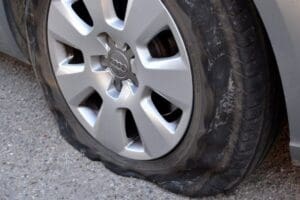 If you experience an unexpected flat tire on the highway, reviewing our step-by-step instructions on dealing with a flat tire can help you manage the swap safely. If you have issues with your spare, lug nuts or are near heavy traffic and can not safely change your tire, Hoist Towing & Recovery is ready to step in. We provide dependable, 24/7 roadside tire change and professional towing services throughout Northern Arizona. Contact our dispatch center directly at (928) 660-0606 to get a service truck headed straight to your location.

Related Posts
If you enjoyed reading this, then please explore our other articles below: